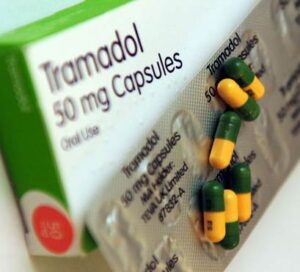
Gene therapies and RNA-based treatments, like those for inherited retinal diseases and certain types of cancers, have gained FDA approvals, contributing to the industry’s momentum. The approval of cutting-edge drugs such as CAR-T cell therapies for certain cancers exemplifies the market’s growing focus on precision medicine, offering hope for previously untreatable conditions. A notable advancement is the continued progression in immuno-oncology treatments, which are redefining cancer care. The global pharmaceutical market size was estimated at USD 1,645.75 billion in 2024 and is projected to reach USD 2,350.43 billion by 2030, growing at a CAGR of 6.12% from 2025 to 2030.
Search Drug Discovery & Development
The market in Europe accounted for the second largest share in the global market, and reasons for the region’s strong market share include increased demand for advanced prescription products and the product launches of efficient prescription products, including orphan drugs. Furthermore, several market players are introducing generic drugs to provide affordable treatment across the region. In terms of distribution channel, the market is segmented into hospital pharmacies, retail pharmacies & drug stores, and online pharmacies.
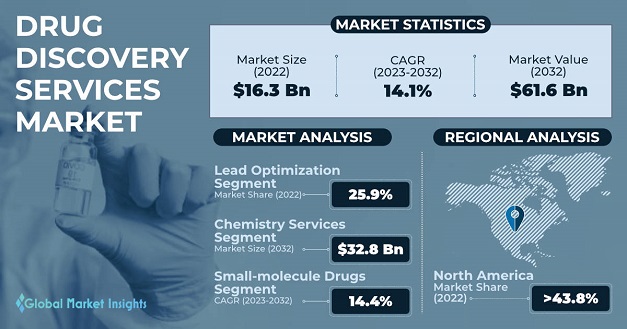
Suppositories Market 2025 Clinical Trials, AI In R&D, And CBD-Based Innovations Boosting Growth
The convergence of these innovations—complex products, advanced manufacturing, and digital commercial models—is creating a profound divergence within the generic drug industry. Companies that possess the capital, expertise, and strategic foresight to invest in these new capabilities will be able to create a sustainable competitive advantage based on value, quality, and efficiency. Those who remain tethered to the old model of competing solely on the price of simple generics will find themselves in an increasingly precarious position, squeezed by commoditization on one side and technological obsolescence on the other. This dynamic is likely to accelerate market consolidation, as larger, more technologically advanced players acquire smaller competitors or force them from the market. In January 2025, Sunshine Biopharma Inc. announced the release of two new generic prescription drugs by its Canadian subsidiary, Nora Pharma Inc. Dr. Steve Slilaty, CEO of Sunshine Biopharma, commented that the launch of two generic drugs could fulfill the company’s commitment to expand its presence in the Canadian generic drug market.
Distribution Channel Market Insights

In addition, the growing incidence of obesity, cardiovascular diseases, and cancer in adults contributes to the segment’s leading market position. The prescription segment dominated the market with a revenue share of 86.76% in 2024 due to rising demand for chronic disease treatments, technological advancements in drug development, and improved healthcare access. Favorable reimbursement policies, physician reliance on prescription medications, and increasing patient awareness contributed to this growth. Regulatory approvals, new product launches, and the expanding elderly population further boosted demand. In addition, the prevalence of lifestyle-related diseases and government initiatives promoting prescription drug use strengthened the segment’s position in the market. The generic segment forms a critical part of the U.S. pharmaceutical industry, offering cost-effective alternatives to branded drugs once their patents expire.
KEY INDUSTRY DEVELOPMENTS:
As noted above, it is impossible to assess policies aimed at the demand side of a market without some basic understanding of the supply side. A comparatively small economic literature examines points of similarity and departure between the supply side of the illegal drug market and standard economic accounts (for a useful review, see Rhodes et al., 2007). Superficially, the decentralized network of dealers, producers, and the various intermediaries between them seems to bear little resemblance to an organized supply chain. Nevertheless, basic economic concepts provide an organizing framework to understand the actors on the supply side and how they react to supply-side interventions. In the biological product market, the vast majority of products, 81percent, had only one manufacturer and these products accounted for74 percent of total revenues.
How Can The Generic Drugs Market Impact Healthcare?
As summarized by Johnson and colleagues (2000), the New York drug market had been through several transformations between 1960 and 2000 with varying degrees of organization. For other cities, there are just occasional studies such as those about in Milwaukee (Hagedorn, 1998), Chicago (National Drug Intelligence Center, 2007a), and Los Angeles (National Drug Intelligence Center, 2007b). This uncertainty by both consumers and sellers about the real price and purity of drugs may have important implications for the behavior of the market. Reuter and Caulkins (2004), using a model of the market for “lemons” (products whose quality is difficult for the buyer to determine Akerlof, 1970), present a set of conjectures as to the sources and consequences of this uncertainty. For example, it encourages customers to purchase regularly from more than one seller in order to obtain information about the relative quality-adjusted price of their principal source. For a formal model that attempts to incorporate these aspects of the market, see Galenianos and colleagues (2009).
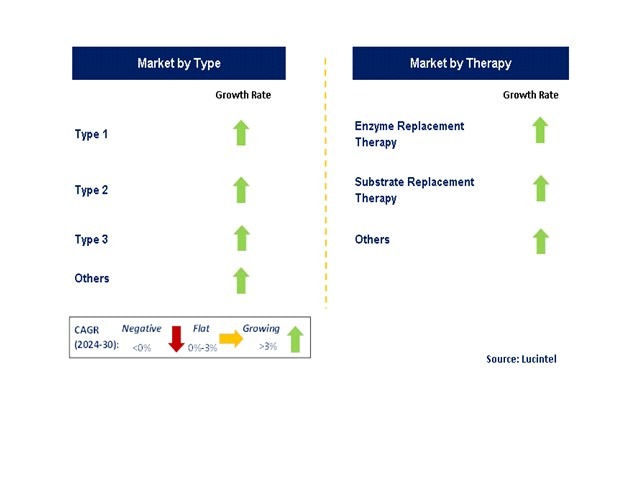
Middle East And Africa Pharmaceutical Market Trends
The takeaway from this figure is thatthe percentage of single manufacturers for biological products hasseen a slight increase, despite a growth in the number of biologicalproducts on the market. Competition was measured by the number of unique pharmaceutical manufacturersthat sold a drug. To assess the level of competition in prescription drugmarkets, we identified drugs based on their active ingredient. For eachdrug, we counted the number of unique corporations (i.e., manufacturers)with sales in the data for each year and stratified the results intobrackets of competitive intensity measured as the count of activemanufacturers, regardless of their market share. For example, if a singlemanufacturer marketed a given molecule5, then we categorized thisas a single manufacturer on the market. The same process was used to identifywhether there were 2-3 manufacturers, 4-5 manufacturers, or 6+manufacturers.
The pharmaceutical market in UK market is driven by increased funding for biopharmaceutical research and a focus on personalized medicine. Rising demand for treatments targeting chronic diseases, oncology, and rare conditions supports market expansion. Hospital pharmacies remain the primary distribution channel, with retail pharmacies gaining traction in outpatient care and chronic disease management. The over-the-counter (OTC) segment emerged as the fastest-growing in the pharmaceutical market, driven by increasing consumer preference for self-medication, improved product accessibility, and rising health awareness. Factors such as the expansion of retail and online pharmacies, regulatory approvals for prescription-to-OTC switches, and marketing initiatives contributed to market growth.
- In terms of distribution channel, the market is segmented into retail pharmacies, hospital pharmacies & drug stores, and online pharmacies.
- By drug type, the branded drugs segment held the largest revenue share of the drugs market in 2024, due to wide investment in the R&D to develop novel drugs by many pharmaceutical industries, and then sell them under branded names.
- In this report, the term“prescription” does not refer to units that are solddirectly to patients.
- The Conventional drugs (small molecules) dominated the market with a revenue share of 54.74% in 2024.
- Demand for innovative items rises as people become more conscious of the treatment and management of illnesses.
- Therefore, the increasing incidence of rare diseases is driving the growth of the pharmaceutical drug market.
They are carefully regulated to ensure safety and efficacy, and their use must always be guided by healthcare professionals. Our premium consulting services are available for an additional fee is designed to help you gain a competitive edge. IQVIA Decentralized Trials deliver purpose-built clinical services and technologies that engage the right patients wherever they are.
Efforts to enhance patient access and the demand for advanced therapies contribute to market growth. The pharmaceutical market in Japan is expanding due to government support for biopharmaceutical research and an aging population driving demand for chronic disease treatments. The market is supported by advancements in biologics and increased focus on metabolic and cardiovascular conditions. Hospital pharmacies remain the leading distribution channel, with retail pharmacies enhancing accessibility for outpatient care.
In addition, the governments of different nations are introducing different schemes to provide generic drugs at a lower cost than their branded equivalents. In China, there is a rising emphasis on healthcare, resulting in a raised demand for pharmaceuticals, including traditional Chinese medicine. Also, the govement of China is greatly promoting healthcare reforms, funding in healthcare infrastructure, and simplifying drug approvals to enhance availability and reasonable expenses. With growing disposable income, especially among the middle class, people can afford highly expensive drugs.
Generic medicines are alternatives to branded medications, helping healthcare become more accessible and affordable. Governments and regulatory bodies have established several policies promoting the use of generic drugs. With the growing prevalence of chronic diseases, the demand for cell and gene therapies is rising, contributing to market expansion. The global pharmaceutical market size accounted for USD 1.67 trillion in 2024 and is predicted to increase from USD 1.77 trillion in 2025 to approximately USD 3.03 trillion by 2034, expanding at a CAGR of 6.15% from 2025 to 2034.